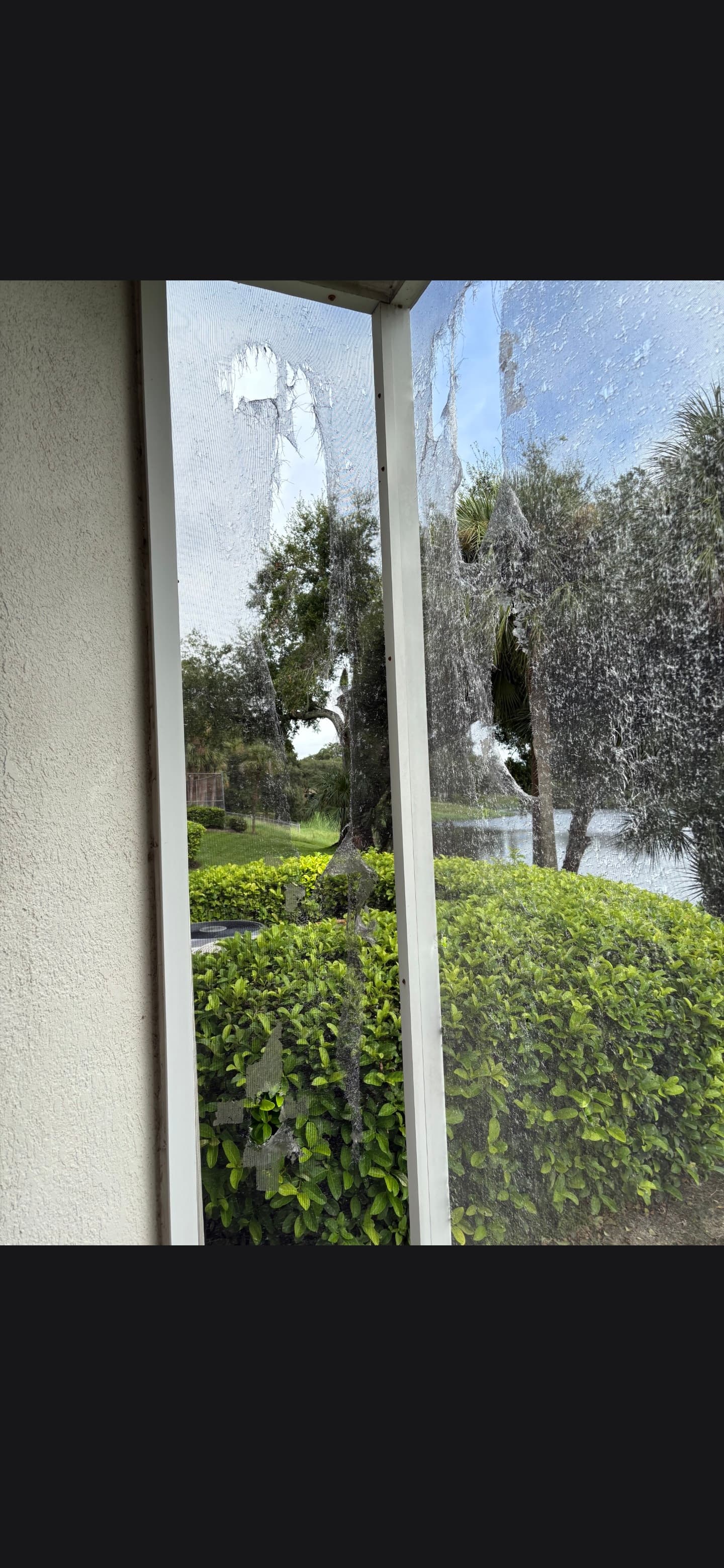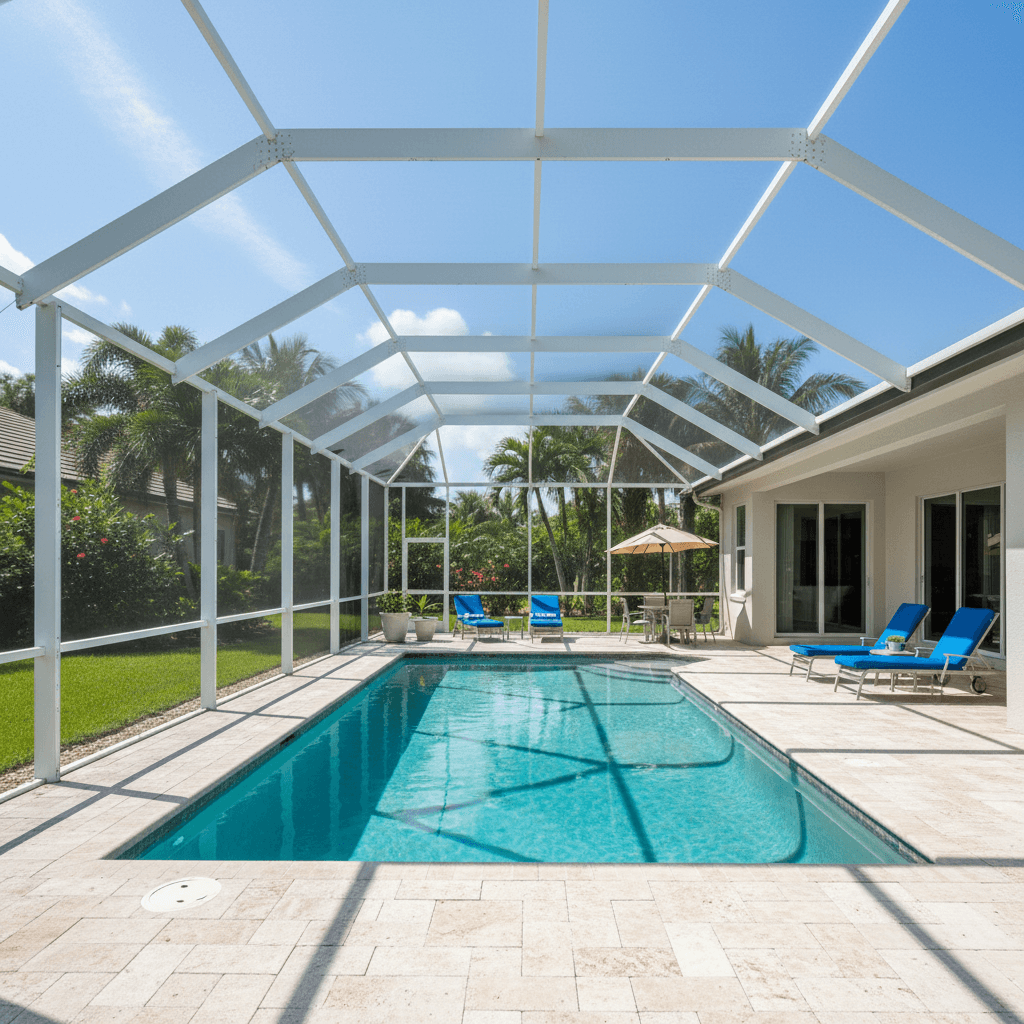
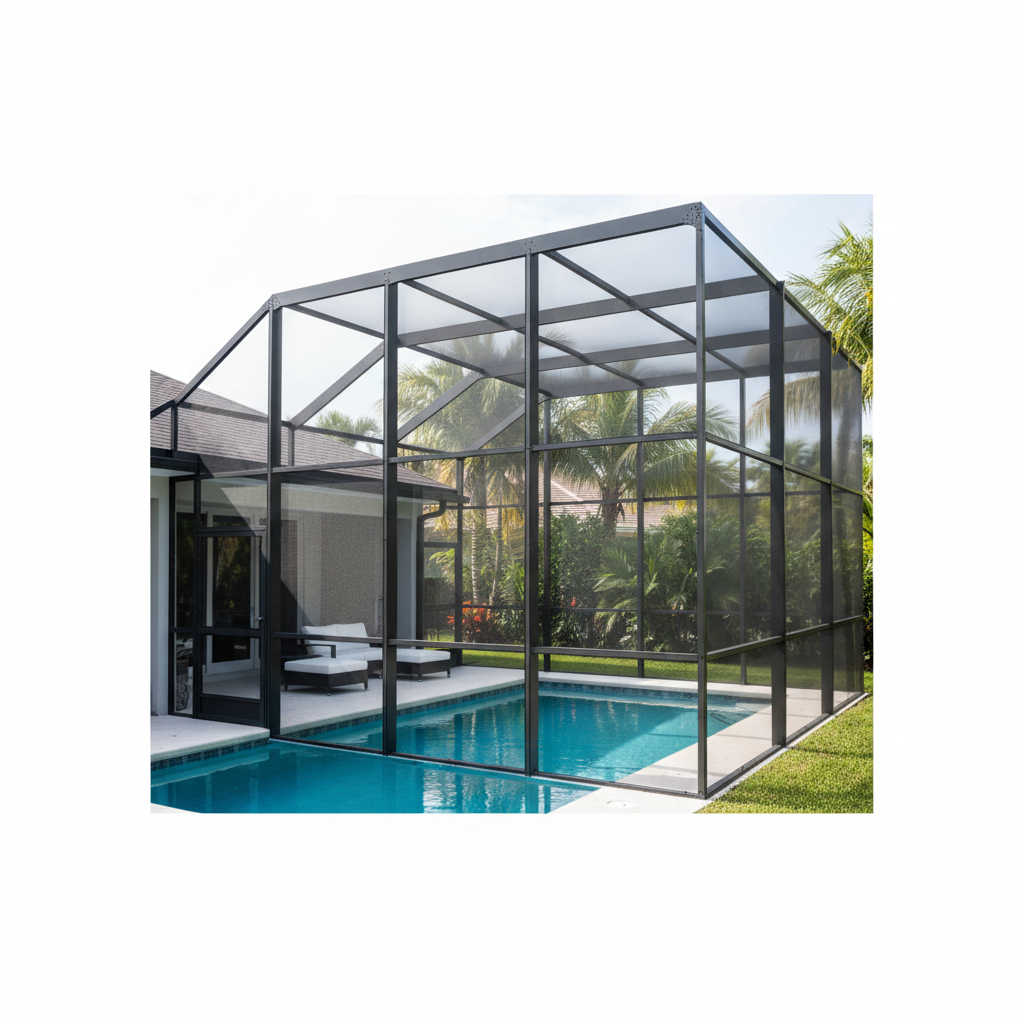
Visible tears, brittle mesh, and sagging panels are primary pool screen repair signs that indicate the enclosure's structural integrity is compromised. Homeowners should also monitor for loose splines or rusted fasteners, as addressing these minor issues early prevents expensive structural damage and full screen failure.
Owning a pool in Central Florida offers a private sanctuary, yet that peace is quickly disrupted when pests and debris breach your enclosure through a single overlooked tear. While a small hole might seem like a minor aesthetic flaw, it often signals a deeper breakdown of the mesh or the structural integrity of your framing. Ignoring these subtle indicators can lead to costly full rescreens or even dangerous structural failures during storm season. At Screen Worx LLC, we understand that proactive maintenance is the most effective way to protect your investment and maintain your outdoor living space. In this guide, we will examine the five critical warning signs of screen deterioration. You will learn how to identify UV damage, detect loose spline, and recognize the hardware failures that indicate it is time for professional intervention before small repairs escalate into expensive projects.
Why Monitoring Your Central Florida Pool Enclosure Matters
Living in Winter Park and the greater Orlando area provides an ideal backdrop for outdoor living, but the Central Florida environment is notoriously harsh on physical structures. The intense UV radiation from the Florida sun, combined with persistent humidity and violent seasonal thunderstorms, creates a constant state of wear for pool enclosures. Fiberglass mesh is particularly vulnerable; prolonged heat exposure eventually compromises the protective PVC coating.
Ignoring minor issues can lead to significant headaches. A small puncture that seems negligible today serves as a primary gateway for noseeums and mosquitoes, quickly ruining the comfort of your patio. More critically, compromised mesh panels lose their ability to distribute wind pressure. During a significant wind event, a single torn panel can create a pressure imbalance, putting immense stress on the extruded aluminum frame and potentially leading to a total cage failure.
At Screen Worx LLC, we specialize in identifying these early pool screen repair signs before they escalate into structural emergencies. By understanding the specific ways local weather patterns affect aluminum and screen tension, we help homeowners maintain the integrity of their professional pool screen repairs or determine when it is time to invest in new enclosures to protect their property. Early detection is the most effective way to ensure your outdoor space remains safe and pest free throughout the year.
1. Visible Tears, Holes, or Punctures in the Mesh
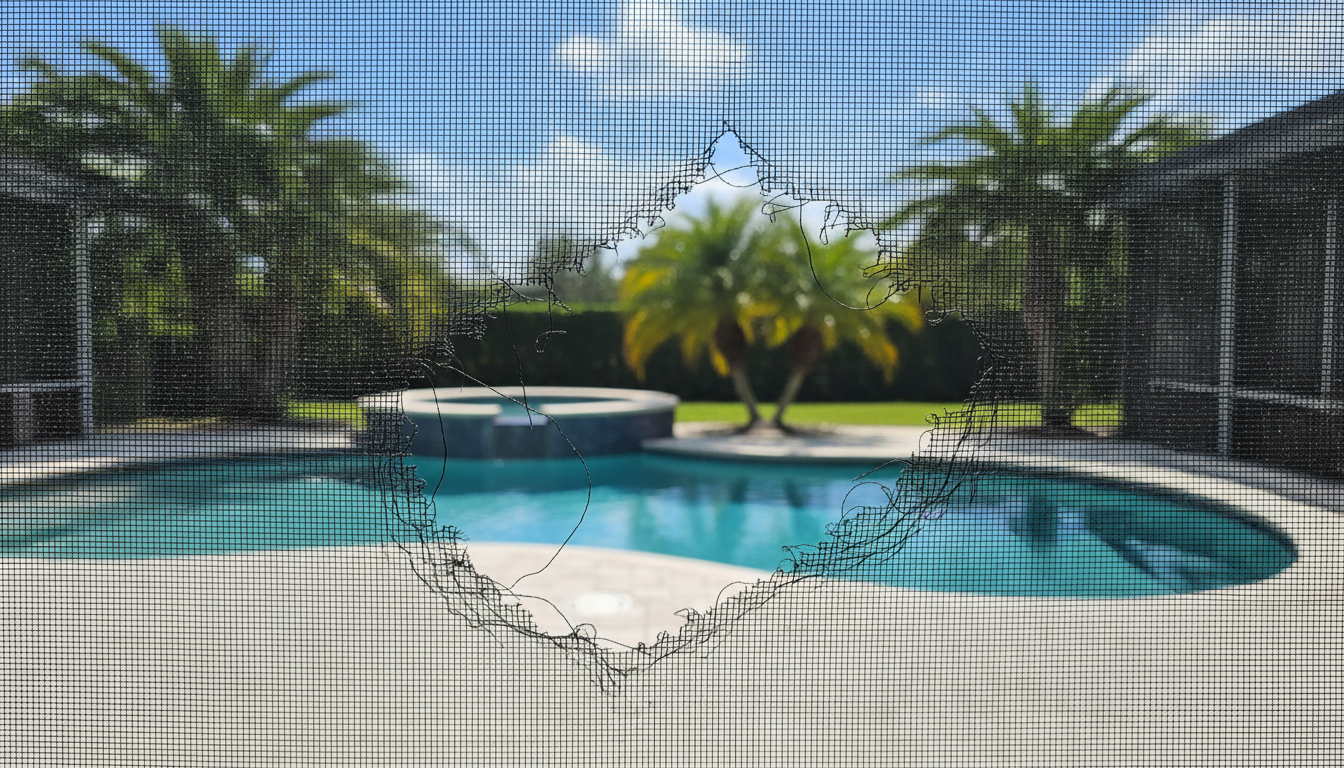
Visible punctures are the most immediate pool screen repair signs a homeowner will encounter. While a large gash from a falling oak branch is impossible to miss, smaller breaches often go unnoticed until the pool area is suddenly overrun by mosquitoes and noseeums. Even a hole the size of a dime is large enough for these pests to bypass your enclosure, effectively neutralizing the primary benefit of the screen.
It is important to differentiate between isolated accidental damage and systemic wear. A clean tear in the center of a panel might be the result of a stray tool or wildlife, which can often be addressed with a single panel replacement. However, if you notice the mesh pulling away or tearing specifically along the edges where it meets the aluminum frame, the material has likely reached the end of its functional lifespan. At this stage, the mesh has lost the flexibility required to maintain tension under wind loads, and the spline can no longer grip the thinning material securely.
Homeowners frequently focus their inspection on eye level side walls, but the roof panels are equally critical. In Central Florida, overhead debris from palms and hardwoods can create small punctures that allow rain to channel directly onto your deck, accelerating algae growth and floor staining. Periodically checking the roof panels from a second story window or using a mirror on a pole can help you identify these issues before a thunderstorm turns a small hole into a major structural tear. Addressing these breaches promptly through professional pool screen repairs ensures the perimeter remains secure and the interior remains pest free.
2. Brittleness and the UV Touch Test
While a hole is a clear indicator of trouble, some of the most critical pool screen repair signs are invisible from a distance. In the intense heat of Winter Park and Orlando, the primary enemy of your enclosure is UV degradation. Most residential pool screens are composed of fiberglass yarns coated in a protective layer of PVC. Over years of exposure to direct Florida sunlight, the UV rays penetrate this coating, causing the plasticizers to evaporate and the chemical bonds to break down.
You can diagnose this chemical failure using a simple touch test. Approach a panel that receives the most afternoon sun and lightly press your finger against the mesh. A healthy screen should feel flexible and rubbery. If the material feels crispy, makes a crinkling sound like parchment paper, or leaves a fine black residue on your fingertips, the structural integrity has vanished. That black soot is actually oxidized PVC and carbon; it is a definitive sign that the mesh is no longer capable of withstanding wind pressure.
This brittle state is deceptive; the enclosure may look perfectly fine from your kitchen window, but the material has become as fragile as a spiderweb. Once the mesh reaches this stage of decay, it cannot be patched or tightened. The fibers will simply shatter under the tension of a repair tool. Recognizing these chemical pool screen repair signs early allows you to schedule professional pool screen repairs before a standard summer afternoon gust turns a brittle panel into a shower of debris in your pool.
3. Sagging Panels and Loose Spline
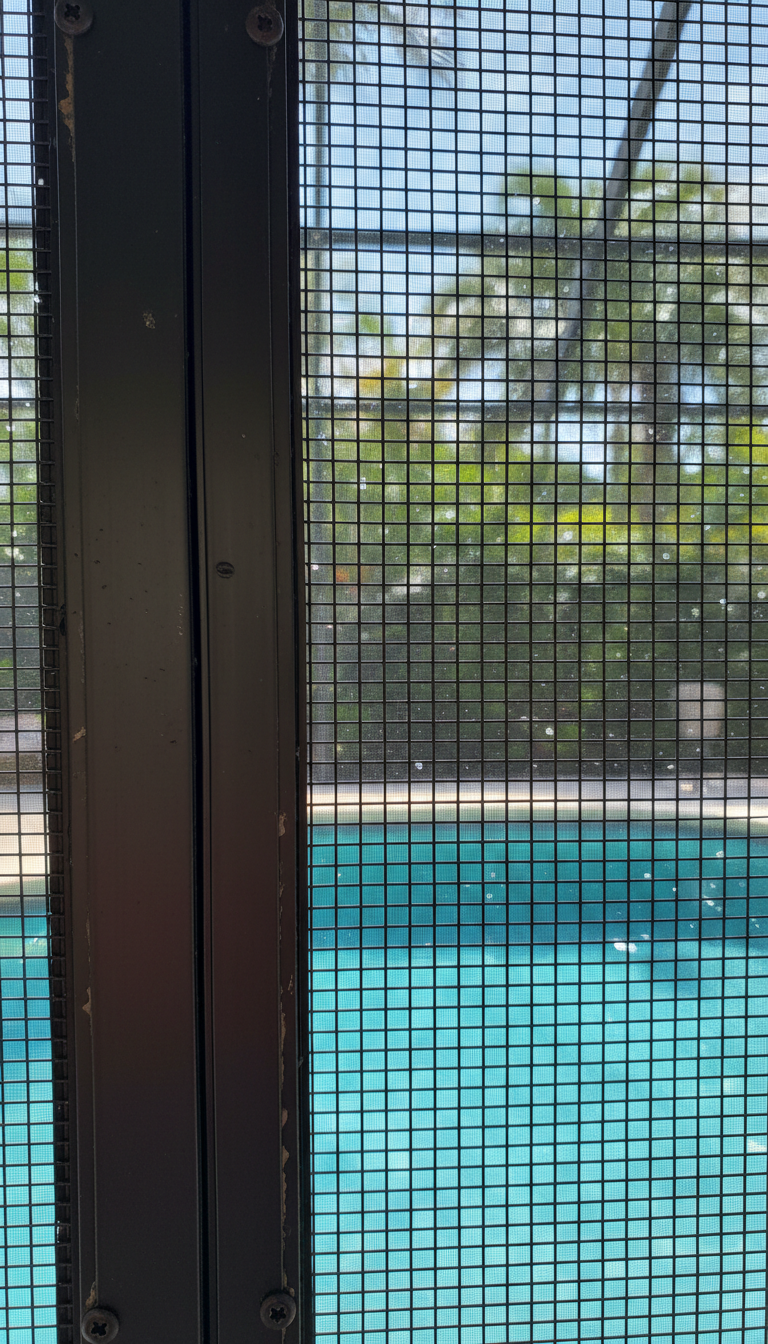
A properly tensioned pool enclosure functions as a cohesive unit, but sagging mesh is one of the more subtle pool screen repair signs that indicates the system is failing. The mesh is held in place by a rubber gasket called a spline, which is pressed into the groove of the extruded aluminum frame. Over time, the spline can shrink or harden, losing its grip on the screen material. This often manifests as visible drooping or pillowing in the center of the panel.
Several factors contribute to this loss of tension. High wind loads from summer storms frequently stretch the mesh beyond its elastic limit. In many Winter Park homes, physical stress from pets jumping against the lower panels or children leaning on the screen also causes the spline to pull out of the channel. Additionally, poor initial installation by inexperienced contractors often results in panels that were never properly tensioned, leading to premature failure.
Leaving a sagging panel unaddressed poses a significant risk to the entire structure. A loose screen acts like a parachute, catching wind gusts and creating immense lateral pressure on the aluminum beams. This parachute effect can bend the frame or pull anchors out of the concrete deck. If you catch these pool screen repair signs early, a technician performing professional pool screen repairs can often remove the old spline and install new mesh without needing to replace the aluminum. Maintaining tight, uniform tension across all panels is essential to protecting the long term stability of your outdoor living space.
4. Excessive Algae Growth and Discoloration
The humid climate of Winter Park and Orlando acts as a catalyst for organic growth. While a light buildup of pollen or dust is expected, persistent green algae or black mold colonies are significant pool screen repair signs that indicate the mesh is failing. When the protective PVC coating on fiberglass screens degrades, the surface becomes porous. Instead of moisture rolling off the screen, it soaks into the fibers, providing a textured anchor for organic matter to thrive. If you find that cleaning your enclosure yields only temporary results before the algae returns, the mesh has likely lost its antimicrobial properties and structural finish.
Equally important is the condition of the metal itself. Look for silvering or a white, chalky residue on the extruded aluminum beams. This oxidation occurs when the factory finish wears thin, exposing the raw aluminum to the elements. While this process starts as an aesthetic concern, it eventually leads to pitting and weakens the frame. If your enclosure shows widespread oxidation alongside stubborn algae growth, it is often more cost effective to discuss new enclosures or custom aluminum work rather than attempting to restore a compromised structure. Addressing these cosmetic indicators early prevents the underlying materials from becoming dangerously brittle.
5. Rusted Fasteners and Unstable Aluminum Framing
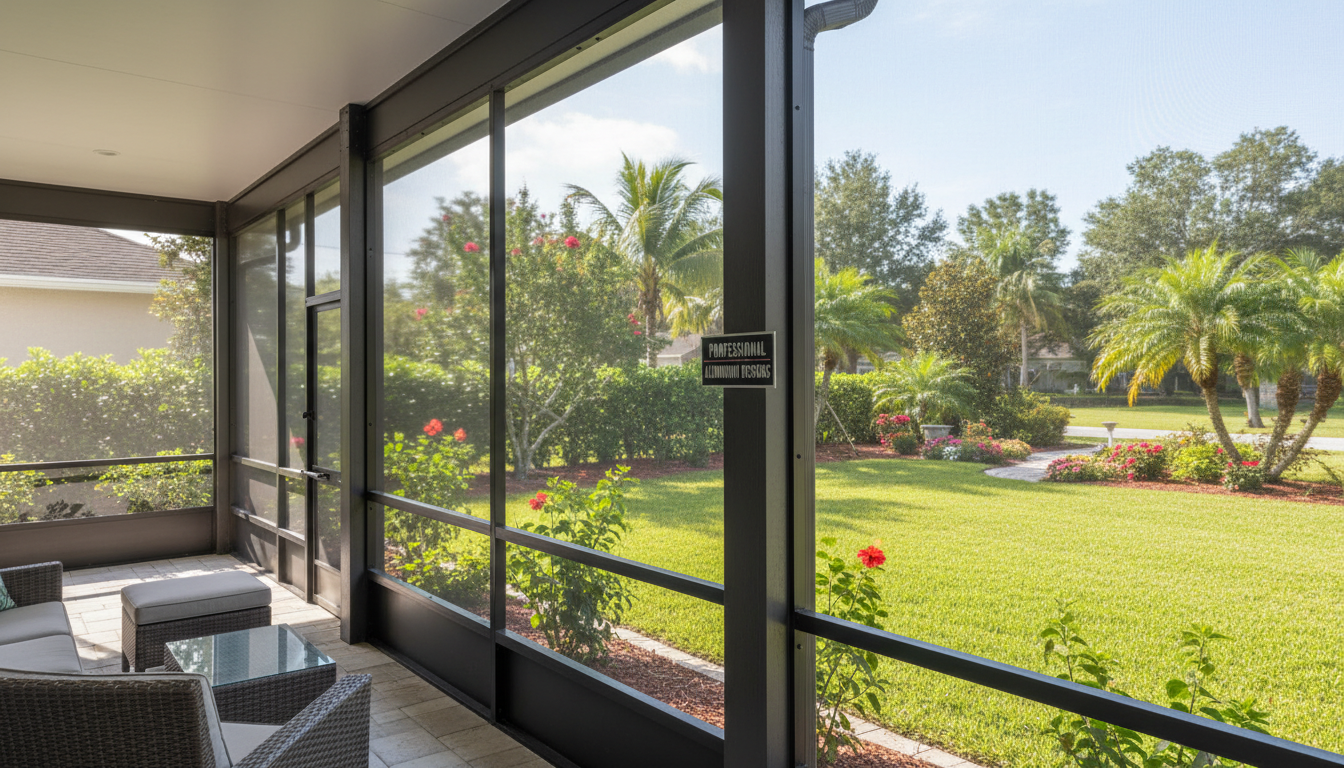
The most critical pool screen repair signs are often found at the connection points where the aluminum beams meet. While the mesh protects you from pests, the hardware ensures the structure remains standing during a tropical storm. Inspect the fasteners throughout the cage, particularly at the base and corner gusset plates. If you see orange streaks bleeding down the aluminum, the screws are likely carbon steel that has begun to corrode. As these fasteners rust, they lose their tensile strength and can snap under the pressure of a high wind gust, leading to a localized or total structural failure.
Pay close attention to the anchor bolts securing the bottom track to your concrete deck. In Central Florida, constant exposure to rain and pool chemicals can cause these anchors to loosen or the surrounding concrete to spall. If you can physically wobble an upright beam with light hand pressure, the cage is no longer safely tethered to its foundation. This instability creates a dangerous leverage effect; a loose base allows the entire frame to torque and twist, which often results in the aluminum snapping rather than bending.
Gaps at the joints where beams intersect are another red flag. These separations suggest that the enclosure has shifted due to ground settling or previous wind stress. If you notice structural movement or failing hardware, it is vital to seek professional pool screen repairs immediately. In cases where the framing is severely compromised, a technician might recommend new enclosures or custom aluminum work to reinforce the perimeter and ensure the safety of your outdoor living area.